When a storm peels back a roof on South Lamar or a burst pipe soaks an office in the Domain, the aftermath can be chaotic. Policies, adjusters, deadlines, none of it feels straightforward when walls are wet and operations are down. That’s where experienced guidance makes the difference. This guide breaks down how an Austin Property Damage Lawyer helps homeowners and businesses document losses, meet Texas insurance requirements, and negotiate fair payouts that actually rebuild what was lost.
Typical property damage scenarios affecting Austin residents
Austin’s growth, and its weather, create a unique risk profile. They see the following claims again and again:
- Severe thunderstorms and hail: Central Texas is hail country. Dented metal roofs, bruised shingles, cracked skylights, and water intrusion after granule loss are common. Adjusters often chalk damage up to “wear and tear,” so clear documentation matters.
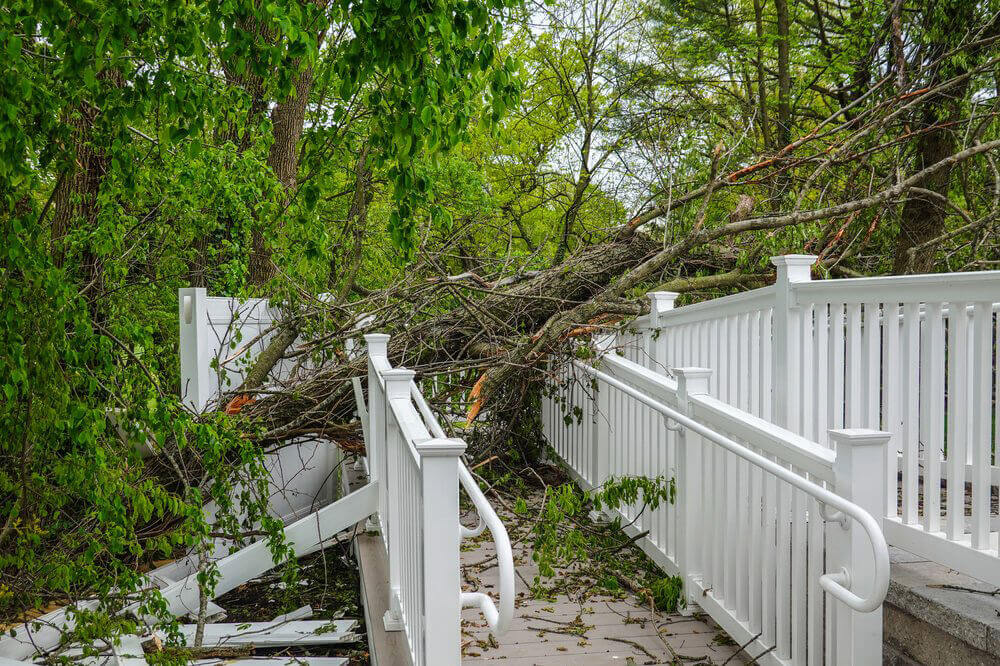
- Tornado and straight-line wind events: Uprooted trees, damaged fencing, shattered windows, and partial roof failure. Wind-driven rain can trigger hidden interior moisture that shows up weeks later.
- Flooding and surface water: Standard homeowners policies exclude flood: coverage typically requires a separate NFIP or private flood policy. Distinguishing between wind-driven rain (often covered) and rising water (often excluded) can dictate recovery.
- Freeze events and burst pipes: Austin learned hard lessons in 2021. Frozen pipes, collapsed ceilings, damaged flooring, and mold. Business claims often include lost revenue and extra expenses to keep doors open.
- Fire and smoke: From kitchen fires in Clarksville condos to electrical fires in warehouse districts. Smoke and soot can travel far beyond the source, damaging HVAC, insulation, and inventory.
- Construction defects and neighboring work: Vibrations from nearby development, water intrusion from faulty flashing, or foundation issues worsened by poor drainage. Insurance may respond differently than a builder’s warranty.
- Vehicle impacts and vandalism: Storefront glass, roll-up doors, gates, and signage frequently appear in claims, especially along busy corridors.
Homeowners and business owners share a core goal: restore property and operations quickly. But businesses also face specialized coverage questions, business interruption, contingent business interruption (supplier shutdowns), utility service interruption, spoilage, and equipment breakdown. An Austin Property Damage Lawyer evaluates all potentially responsive coverages so nothing is left on the table.
Filing claims promptly to comply with Texas insurance requirements
Texas law doesn’t set a single hard-and-fast deadline for every policyholder to report a loss, but virtually all policies require “prompt” notice. Delay can give an insurer ammunition to limit or deny coverage. Practical rules of the road:
- Report the claim immediately: Same day or within a few days is ideal. Create a claim number, confirm the date of loss, and note the adjuster’s name and contact information.
- Mitigate damages: Take reasonable steps to protect property, tarp roofs, board windows, shut off water, run dehumidifiers. Keep receipts: mitigation is usually covered.
- Proof of loss deadlines: Many Texas policies require a sworn proof of loss within a set period (often 60 days) after the insurer requests it. Missing this can slow or jeopardize recovery.
- The Prompt Payment of Claims Act timelines: Once a claim is filed, insurers generally must acknowledge receipt within 15 business days, request needed items, and then accept or deny within 15 business days after receiving all requested information (extensions apply in some circumstances). Violations can trigger statutory interest, often up to 18% per year, and attorney’s fees.
- Suit limitation provisions: Even though Texas has a four-year statute for breach of contract, many policies shorten the time to sue to one or two years from the date of loss or denial. Calendaring these dates is critical.
A lawyer ensures compliance while leveraging the state’s prompt payment rules to keep carriers moving. When in doubt, they encourage clients to file and reserve the right to supplement the claim as more damage is discovered.
Essential documents for proving ownership and loss value
Strong claims are built on paper, and pixels. Insurers pay what can be proved, so gathering the right materials early helps avoid lowball offers.
Ownership and coverage
- Policy and declarations page: The dec page shows limits, deductibles (including wind/hail percentage deductibles), endorsements, and exclusions (flood, earth movement, ordinance or law, anti-concurrent causation clauses).
- Deed, lease, or title documents: Establish an insurable interest. For businesses, include corporate records showing ownership of insured assets.
Condition before the loss
- Photos and videos: Pre-loss photos (even from listing sites or Google Street View) help prove condition and roof age.
- Maintenance records: Roof inspections, HVAC service, prior repairs, and permits rebut “wear and tear” arguments.
Scope and valuation
- Detailed inventory: Model numbers, serials, purchase dates, and costs for contents and equipment. Spreadsheets help: for restaurants and retailers, include SKUs and quantities.
- Receipts and invoices: For finishes (flooring, tile), fixtures, equipment, and upgraded materials. Bank and credit card statements can substitute when receipts are missing.
- Independent estimates: Contractor scopes with line-item pricing (materials, labor, overhead, and profit). Xactimate or comparable estimating software printouts align with how insurers price work.
- Appraisals and market reports: For specialty items, art, or high-end equipment.
Loss-related costs
- Temporary repairs and mitigation: Tarping, dry-out logs, moisture readings, equipment rental, generator fuel.
- Additional Living Expense (ALE): Temporary housing, pet boarding, increased meal costs. Keep leases and receipts.
- Business interruption: Monthly P&Ls, sales tax reports, payroll records, and production logs to calculate lost profits and extra expense.
A well-organized digital folder, dates in filenames, brief descriptions, goes a long way. Counsel often provides checklists and templates so clients can “View Details” of what’s missing and fill gaps before the adjuster arrives.
Negotiating with insurance adjusters after major disasters
After a big hailstorm or freeze event, carriers face a surge of claims. That surge can translate to rushed inspections, inexperienced catastrophe (CAT) adjusters, and conservative initial offers. Effective negotiation looks like this:
- Prepare the file before anyone sets foot on-site: Send a cover letter, photos, itemized estimates, and a requested scope of inspection. If the roof needs a lift test or core sample, say so.
- Be present for inspections: For large losses, contractors or public adjusters can walk the adjuster through damages, sheathing, underlayment, mechanicals, and interior moisture mapping. It reduces “missed” items.
- Push back on improper exclusions: Distinguish between wind-driven rain (often covered) and flood (excluded). Document storm-created openings. Clarify that long-term wear does not negate sudden, accidental damage from a covered event.
- Address “matching”: Many policies require a reasonable match of finishes. If the tile or shingle is discontinued, replacing only a section may reduce value. Document availability and color variance.
- Don’t forget code upgrades: Ordinance or law coverage can fund bringing structures up to current code, GFCI outlets, tempered glass, nailing patterns, energy requirements, ADA elements for commercial. Include permits and inspection fees.
- Account for demand surge: Post-disaster labor and material prices spike. Estimates should reflect current, local rates and extended lead times.
- ALE and business interruption: Confirm coverage periods, waiting periods, and documentation. For businesses, quantify lost revenue and the extra expense to keep operating (temporary kitchens, mobile offices, expedited shipping).
- Use policy procedures: If negotiations stall, many policies allow appraisal, each side selects an appraiser and, if needed, an umpire, a faster path than litigation for valuation disputes.
An Austin Property Damage Lawyer keeps negotiations grounded in policy language and Texas case law, escalating when necessary while preserving the client’s timeline and rights.
About the Author