Choosing between Invisalign and braces can feel like a heavy decision. Your smile, your comfort, and your budget all sit on the line. This blog gives you clear, direct facts so you can weigh your options without pressure. You will see how Invisalign and braces differ in look, feel, cost, and daily care. You will also learn when one option may work better than the other for your teeth. Some patients need strong correction. Others want treatment that others barely notice. Each path has tradeoffs that affect your time, your routine, and your confidence. If you live near Downers Grove, you can explore local care options at https://dentistsofhinsdalelake.com/areas-we-serve/downers-grove-dentist/. By the end, you will have honest guidance that helps you talk with your dentist and choose the treatment that fits your life.
What Invisalign And Braces Actually Do
Both Invisalign and braces move teeth into better positions. They fix crowding, gaps, bite problems, and crooked teeth. They use steady pressure over time. You see slow change that adds up.
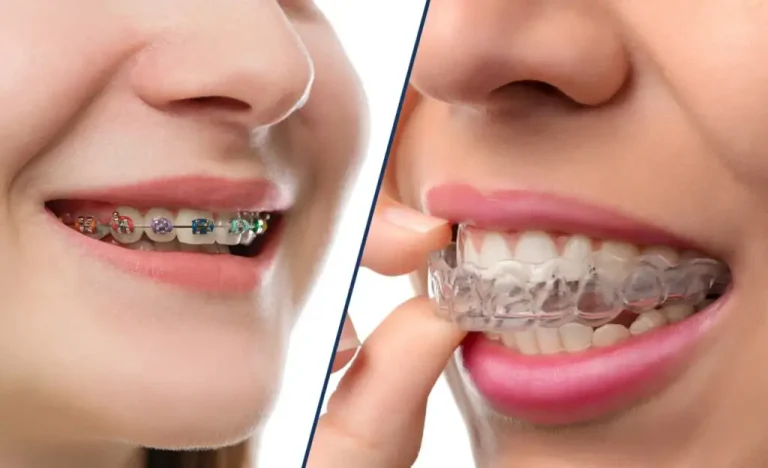
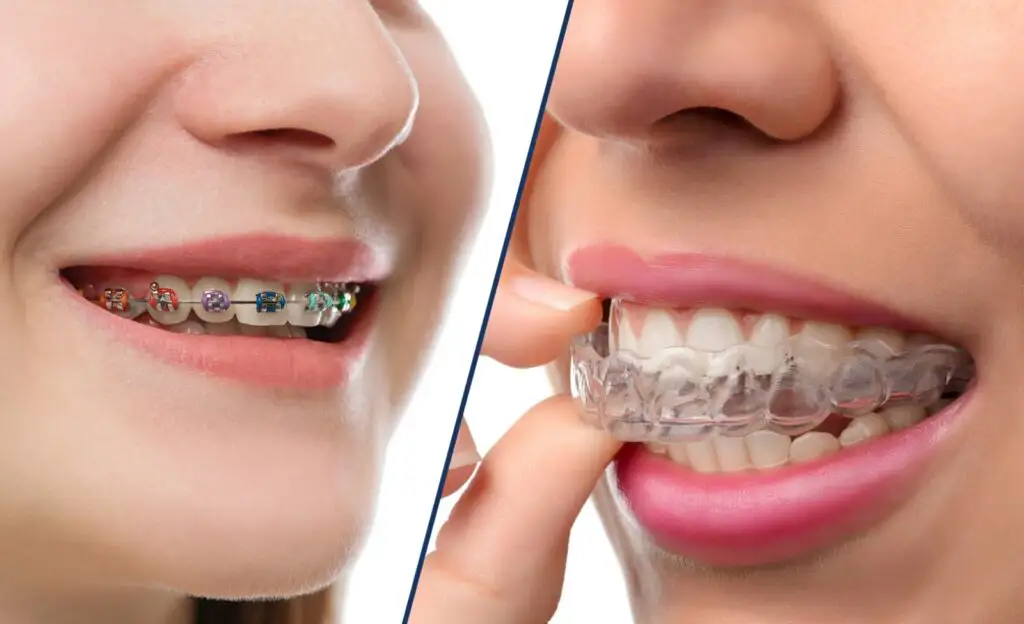
Traditional braces use small brackets on teeth with a wire that connects them. Rubber bands may link top and bottom teeth. Invisalign uses a series of clear plastic trays called aligners. You wear each tray for a set time, then switch to the next one.
The goal is the same. Straight teeth that are easier to clean and kinder to your jaw. The path you take to reach that goal feels different in daily life.
Side By Side Comparison
| Feature | Invisalign | Braces
|
|---|---|---|
| How it looks | Clear trays that others often do not notice | Metal or tooth colored brackets on teeth |
| Removable | Yes. You take them out to eat and brush | No. Fixed to teeth |
| Eating | Few food limits if you remove trays | Need to avoid hard, sticky, and crunchy foods |
| Cleaning | Brush and floss as normal when trays are out | Need careful brushing around brackets and wires |
| Wear time | About 20 to 22 hours each day | 24 hours each day until treatment ends |
| Comfort | Smooth plastic. Pressure during changes | Metal parts. Possible rubbing on cheeks and lips |
| Best for | Mild to moderate alignment problems | Mild to severe and complex bite problems |
| Visits | Regular checks. Often fewer wire changes | Regular visits for wire checks and changes |
| Responsibility | High. You must wear and not lose trays | Lower. They stay on your teeth |
How Each Choice Affects Your Daily Life
Your daily routine matters. You live with this choice for months or years. You need to know how it will feel each day.
With Invisalign, you remove trays to eat and drink anything except water. You brush after meals before you put trays back in. That means you carry a small toothbrush or plan ahead at work or school. You also need to remember to put trays back in right away. If you forget often, treatment can slow down.
With braces, you do not remove anything. You eat with them on. You avoid sticky candy, popcorn, and very hard foods. You brush more carefully. You may use a threader or small brush to clean around wires. Mealtimes may feel longer at first. Over time it becomes a habit.
Comfort And Speech
Both options move teeth. That can cause soreness after an adjustment or new tray. The soreness usually fades in a few days. Cold water and soft foods can help.
Invisalign trays are smooth. They do not have sharp edges. At first, your tongue may notice them. Your speech may sound different for a short time. Many people adjust fast.
Braces can rub the inside of your cheeks and lips. Dental wax can cover rough spots. Your mouth usually toughens after the first weeks. You may feel tightness after each wire change. That is a sign that teeth are moving.
You can read more about what to expect with orthodontic treatment from the American Dental Association.
Cost And Time
Costs vary by where you live, how complex your case is, and how long treatment takes. Insurance may cover part of either choice. Many offices offer payment plans. You should ask clear questions before you start.
In general, simple Invisalign and simple braces cases can have similar costs. Complex cases that need more visits or special parts often cost more. Braces can treat more complex problems, so time in treatment might be longer.
Some people finish in under one year. Others need two years or more. Your dentist or orthodontist will give an estimate. It is still an estimate. Teeth move at their own pace. Keeping visits and following instructions helps you stay close to that plan.
Who Is A Good Candidate For Each
Invisalign can work well if you have:
- Mild crowding or spacing
- Minor bite problems
- Healthy gums and teeth
- The ability to wear trays for at least 20 hours each day
Braces often work better if you have:
- Severe crowding or rotated teeth
- Strong overbite, underbite, or crossbite
- Teeth that need complex movement
- Trouble remembering to wear or keep track of trays
Children and teens who lose things often may do better with braces. Adults who want a less visible choice often lean toward Invisalign. You do not need to decide alone. A full exam and X rays help your care team guide you.
For more background on why straight teeth can help oral health, you can review the Centers for Disease Control and Prevention oral health information.
How To Talk With Your Dentist Or Orthodontist
You deserve plain talk and clear answers. During your visit, you can ask:
- Can both Invisalign and braces work for my teeth
- Which choice will give the most stable result
- How long will each option likely take
- What is the full cost for each option including visits and retainers
- How will this affect my daily routine at work or school
You can also share your worries. Maybe you fear pain. Maybe you speak in public. Maybe you play sports or an instrument. Each of these can shape the best choice for you. A good care plan respects your life, not only your teeth.
Bottom Line
Invisalign and braces both straighten teeth. Invisalign offers clear trays that you can remove. Braces offer strong and steady control for simple and complex problems. Your choice should fit your mouth, your habits, and your goals.
When you understand the key differences, you stand in a stronger place. You can ask sharp questions and push for a plan that feels right. Your smile is personal. Your treatment should be too.